top of page

Economic Development


Ethiopia’s Urban Corridor Development: The Infrastructure Bet Reshaping East Africa
Ethiopia has no coastline and relies on a single 759km railway to Djibouti. Its answer is one of the most ambitious corridor economies on the continent: 58 cities building urban infrastructure simultaneously, industrial parks anchored to export manufacturers in Hawassa and Dire Dawa, and a $442M World Bank expressway linking its eastern economy to AfCFTA markets. Idosa Tolesa breaks down the economics.
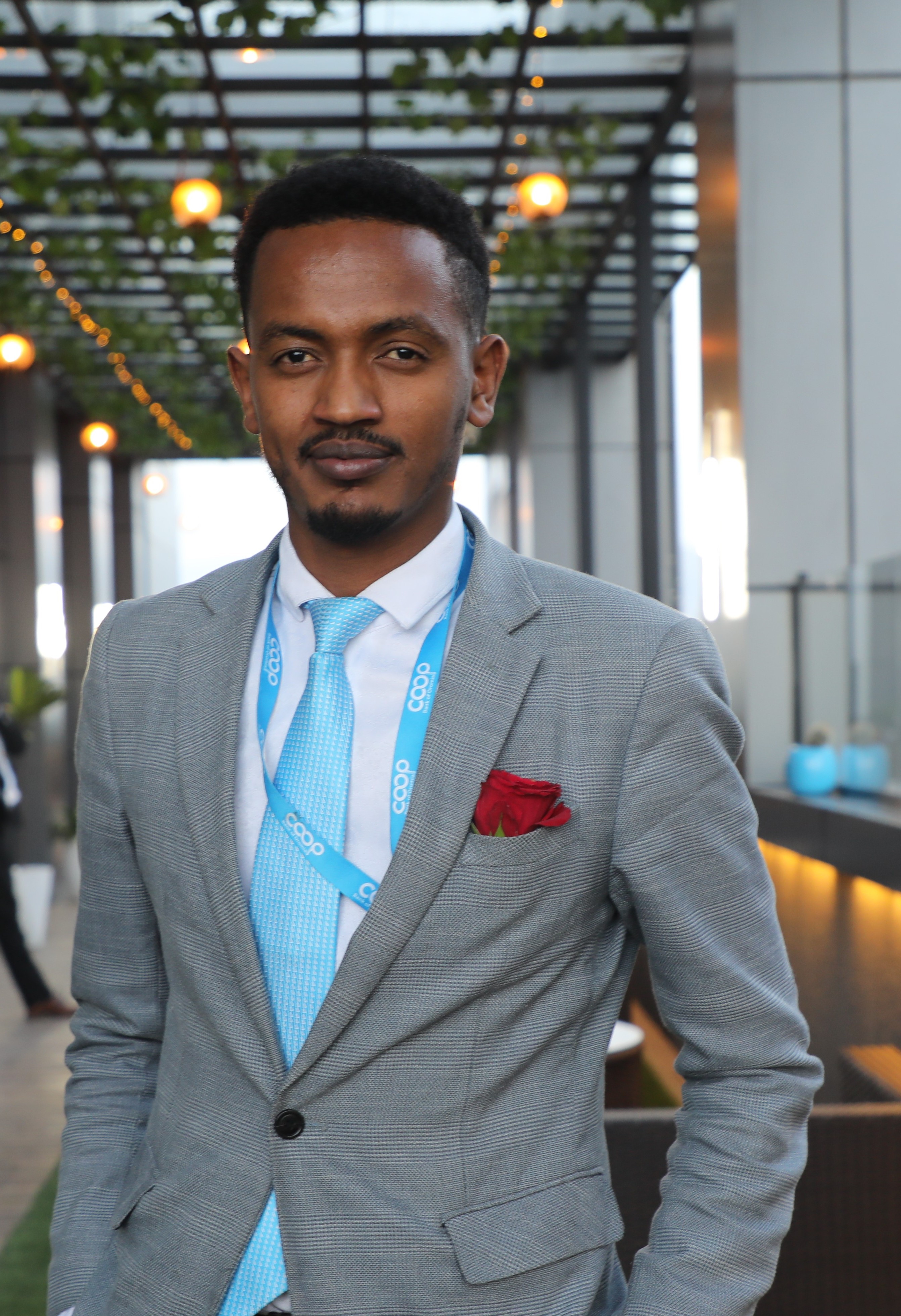
Idosa Tolesa
Jun 307 min read


Nigeria's Debt Service Crisis: Why 80% of Revenue Goes to Interest Payments
Nigeria spends 80%+ of revenue servicing debt at 15-18% rates while South Africa pays 4%. Result: $11bn capital shortfall in 2025. Hospitals get $26K from $156M budgets. Roads decay. Doctors leave. This is Africa's cost of capital crisis, when borrowing costs triple, even moderate debt crushes development. Until African countries build deeper pension systems and diversified investor bases for cheaper capital, debt will remain a constraint rather than a development tool.
Les Africanistes
Feb 265 min read


DRC Copper Ownership: Foreign Companies Keep $30 Billion While DRC Gets $3 Billion
The Democratic Republic of Congo mines 2.8 million tons of copper annually, generating $23 billion in exports. Yet the country captures only $3 billion while foreign companies take $20 billion, then China adds $8-10 billion through processing. With 72% living in extreme poverty despite massive mineral wealth, DRC faces a dual challenge: foreign companies own 75-85% of its mines, and all processing happens abroad.
Les Africanistes
Dec 11, 20253 min read


Electricity Access Financing in Africa: How Côte d'Ivoire Connected 2.5 Million Households Without Government Debt.
Most African countries borrow billions to expand electricity access. Côte d'Ivoire spent 9 years proving households would pay, then let private investors fund the expansion. After building a track record showing 94.5% collection rates, they packaged household payments into bonds and raised $200M from private investors, without adding to government debt. This is what conservative financial innovation looks like.
Les Africanistes
Dec 1, 20254 min read


Côte d'Ivoire's Affordability Trap: Why Agricultural Success Doesn't Mean Affordable Healthy Food
Côte d'Ivoire dominates global agricultural exports: 45% of cocoa, 40% of cashews, $7-9.8 billion in sales. Yet Ivorians earn just $197 monthly, less than half what Kenyans make. The paradox? Foreign multinationals control processing, repatriating profits abroad. Kenya's farmer-owned cooperatives keep value local. This analysis reveals why agricultural success doesn't translate to household income, and what ownership structures mean for food affordability across Africa.
Les Africanistes
Nov 27, 20253 min read


Africa's Urbanization Trap: Why over 45% of Africa's Urban Population Live in Slums?
The narrative sounds familiar: Africa is urbanizing rapidly, and cities will become engines of economic growth. By 2050, two-thirds of Africans will live in urban areas, unlocking a demographic dividend and driving prosperity across the continent.
There's just one problem with this story. It's not happening.
Instead, Africa is experiencing what economists call "urbanization without industrialization": cities exploding in size without the jobs, infrastructure, or planning
Les Africanistes
Nov 15, 20257 min read


Nigeria's Middle Class Collapse: Why Rising Wages Mean Falling Purchasing Power
Nigeria increased its minimum wage by 133% in 2024, yet household consumption fell 61%. This reveals a harsh reality: Nigeria's middle class is disappearing. Once comprising 38% of the population in the 2010s, it's now estimated at just 12-19% in 2024. While wages rise nominally, purchasing power collapses under 40% food inflation. In Lagos, 78% of workers earn far below middle-class thresholds. Meanwhile, Nigeria's ultra-wealthy class grows, creating a "barbell economy" with
Les Africanistes
Oct 19, 20254 min read


Ghana - A Democratic Beacon in Turbulent Waters
While West Africa grapples with a coup epidemic, Ghana stands out with remarkable democratic stability. With 60.9% voter turnout despite severe economic crisis, 8 consecutive peaceful elections since 1992, and an exemplary power transition where the incumbent vice president conceded defeat with dignity, Ghana proves democracy can thrive even under difficult conditions. The story offers hope across the region, showing that strong institutions matter more than strong men.
Les Africanistes
Sep 25, 20254 min read


Africa's Entrepreneurship Crisis: When Success Stories Mask Economic Failure
Africa's entrepreneurship narrative celebrates one in five adults starting businesses—the world's highest rate. But this masks economic failure, not dynamism. With 95% of youth in vulnerable employment and only 3 million formal jobs created annually against 8-12 million entering the market, survival entrepreneurship dominates. By 2030, Sub-Saharan Africa needs 15 million jobs yearly—five times current rates. This isn't an entrepreneurial boom; it's a crisis demanding change.
Les Africanistes
Sep 19, 20254 min read
bottom of page